I love a good rumble
We’ve all been in meetings where everyone nods along, the agenda moves smoothly, and consensus arrives before the coffee gets cold. It feels safe, but it’s usually a performance of alignment rather than genuine exploration. When teams constantly soften their edges to read the room, they end up making decisions with a fraction of the intelligence available to them.
True progress requires what Brené Brown calls a "rumble"—a conversation where ideas collide, egos are put down, and everyone sits with their armour off, willing to be changed by what they hear. This isn’t conflict for conflict’s sake, but the productive friction that happens when a group trusts each other enough to say what they actually think.
Psychological safety isn’t about being nice or wrapping hard truths in cushioning; it’s the exact container that makes these honest conversations possible. Without it, difficult discussions turn into passive-aggressive parking-lot debriefs. With it, teams can stress-test assumptions, welcome minority views, and unlock true creativity.
If your meetings are always perfectly smooth, it might be time to build a safer container and let it rumble.
Building Workplaces Where People Truly Thrive
Many organisations treat psychological safety like a box to be ticked — hang a poster in the tea room and consider it done. But safety isn't a single switch you can flip; it is a layered architecture. In Australia, managing psychosocial hazards is now a strict legal obligation under WHS laws, meaning executives must look closely at how work is actually designed and led.
To build a workplace where people genuinely thrive, we must look at safety through a new lens: the Hierarchy of Psychosocial Safety. This framework proves that you cannot ask employees to innovate or show vulnerability if foundational needs aren't met. Workplaces must build from the ground up, ensuring basic regulatory compliance and freedom from active harm like bullying, before moving towards fairness, open team dialogue, and ultimate individual growth.
Investing in shiny wellbeing initiatives while ignoring toxic leadership or systemic unfairness is completely ineffective. We must address active harm before we can expect our people to truly flourish. Read on to discover where your organisation sits on the ladder.
The Uncomfortable Truth: Why Difficult Conversations Are the Foundation of Psychosocial Safety
Avoidance doesn't protect people—it quietly erodes trust. While many believe psychosocial safety means keeping everyone comfortable, true safety is built by navigating tension, not avoiding it. When leaders and teams skip hard conversations, problems go underground, resulting in chronic stress, repeated mistakes, and toxic workplaces.
Discover why honest, respectful, and constructive communication is an essential act of care , how to distinguish helpful feedback from destructive criticism , and practical steps to build a culture strong enough to hold the reality of truth.
Choosing the harder conversation is one of the more quietly radical acts of care available to us.
Being Human: The Beautiful, Messy Truth of Showing Up Every Day
Have you ever woken up with an unexplainable, heavy flatness, only for the world to brighten a few days later from a single good conversation? This isn't a dysfunction to fix—it is simply the natural, fluctuating weather system of being human. Somewhere along the way, we bought into the myth that functioning adults must always feel calm and put-together. But true emotional intelligence isn't about maintaining a flatline of "okayness"; it’s about navigating our full emotional range while practicing the superpower of emotional regulation.
Because of this, doing your best is not a fixed standard. Some days your best is extraordinary and high-energy, while other days it is simply getting out of bed or choosing rest without guilt. The people who go the distance aren't flawlessly great every single day; they are the ones who sustainably adjust their pace to their reality.
This reality shifts how we look at the workplace, too. True psychosocial safety isn't an environment where everyone is always fine. It’s a culture where team members have the self-awareness to honestly say, "not myself today," allowing the collective mindset to shift gears, extend grace, and collaborate safely without letting struggles turn into crises.
"So do your best today. Not yesterday's best, not your theoretical best, not anyone else's best. Just yours. Right now. Whatever that honestly is. That is more than enough."
Why Psychosocial Solutions Are Not One Size Fits All
There is a massive temptation to treat psychosocial support like an assembly line: package it, distribute it, and assume a single well-designed program will fix everyone. But while a standardized blueprint works perfectly fine for building a bridge, the human mind refuses to be copy-pasted.
When organizations try to force diverse human experiences into rigid, "one-size-fits-all" frameworks, the results are often quiet, costly, and sometimes catastrophic failures. True mental health and workplace safety require meeting people exactly where they are—not where a compliance checklist or a textbook archetype says they should be.
Why We Are Passionate About Psychosocial and Psychological Safety
Human beings are not machines. We do not clock in, perform functions, and clock out without our inner lives bleeding into everything we do. We carry our histories, our fears, our unspoken anxieties, and our hunger to be valued into every meeting room, every conversation, and every email.
When teams appear disengaged or underperforming, leaders too often ask, "What's wrong with them?" rather than "What's wrong with their environment?"
Psychological and psychosocial safety are not soft outcomes tucked away at the bottom of an organizational priority list—they are the infrastructure. You cannot build innovation on a foundation of fear, and you cannot have honest conversations in an environment where honesty carries risk.
When people don't feel safe, they perform quiet compliance. They look engaged while quietly disengaging to protect themselves. But when safety is genuinely present, it shifts the entire question from "What do we need to achieve?" to "What do our people need to be okay while we achieve it?"
Safety is not a destination we arrive at and tick off. It is an ongoing commitment, built daily through the small choices about how we speak, how we listen, and how we respond when someone takes the risk of being honest.
Beyond the Org Chart: Why Psychosocial Safety Is a Personal Matter
When we reduce psychosocial safety to policy documents and HR compliance, we miss the human being sitting at the centre of it all. The truth is, the effects of psychosocial harm don't clock off at 5 PM — they follow people home. It’s time to move beyond the aggregate data and structural frameworks to look at safety through an individual lens. Because psychosocial safety isn't real until the person in front of you feels it in their bones.
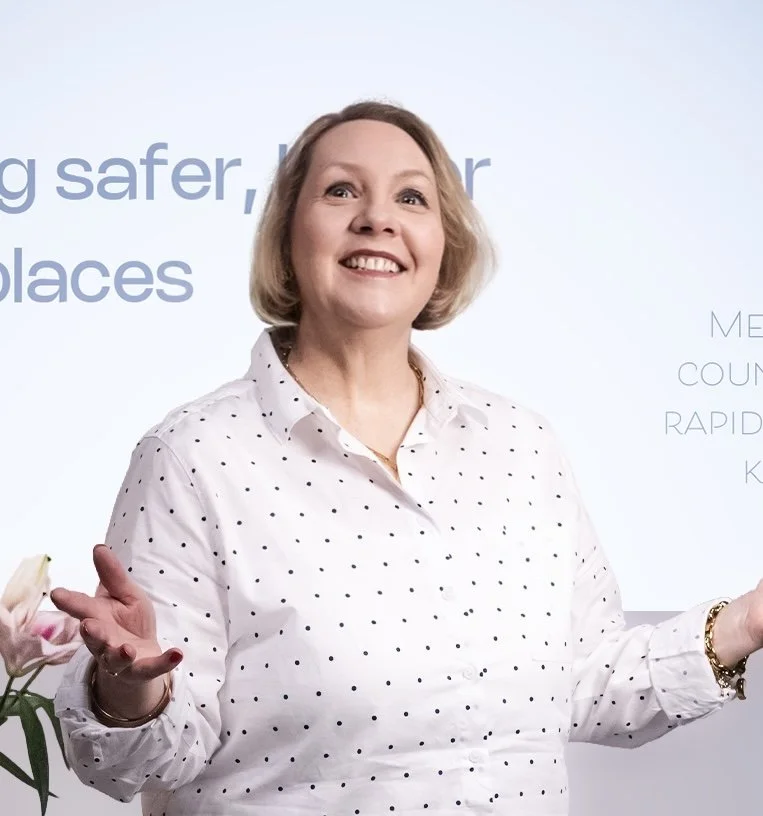
Welcome to Jay & Associates
Across Australia, workplaces are struggling with burnout, stress, poor communication and leaders who were never taught how to lead. Yet the solution is simpler than most people realise: psychological safety, genuine connection and clear, human‑centred communication. After more than 35 years working in education and mental health, I’ve seen firsthand how teams transform when they feel heard, supported and safe to speak up.
Jay and Associates was created to help organisations build exactly that. We walk beside leaders and teams to strengthen trust, improve communication, navigate challenges and create workplaces where people can thrive — not just cope. Through practical training, coaching and evidence‑based strategies, we help you unlock the potential already within your people and create cultures where collaboration replaces competition, and wellbeing is part of everyday practice.
At the heart of our work is a simple belief: being human is tough, but with the right tools, support and mindset, individuals and teams can achieve extraordinary things. We’re here to help you stay grounded, stay connected and, above all, Stay Awesome — whatever that looks like for you today.